




We Should Treat More People with Hepatitis B, SLU Expert Says


Researchers Make the Case to Expand Treatment for Hep B in Lancet Gastroenterology and Hepatology Papers
In a pair of articles published in Lancet Gastroenterology and Hepatology, scientists lay out the case for why we should expand treatment recommendations for people with hepatitis B.
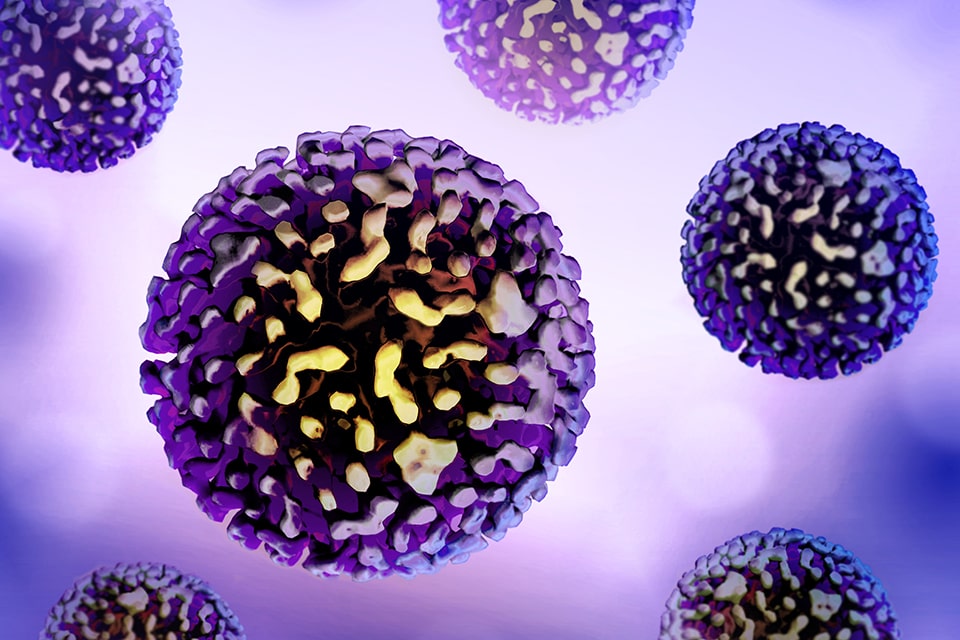
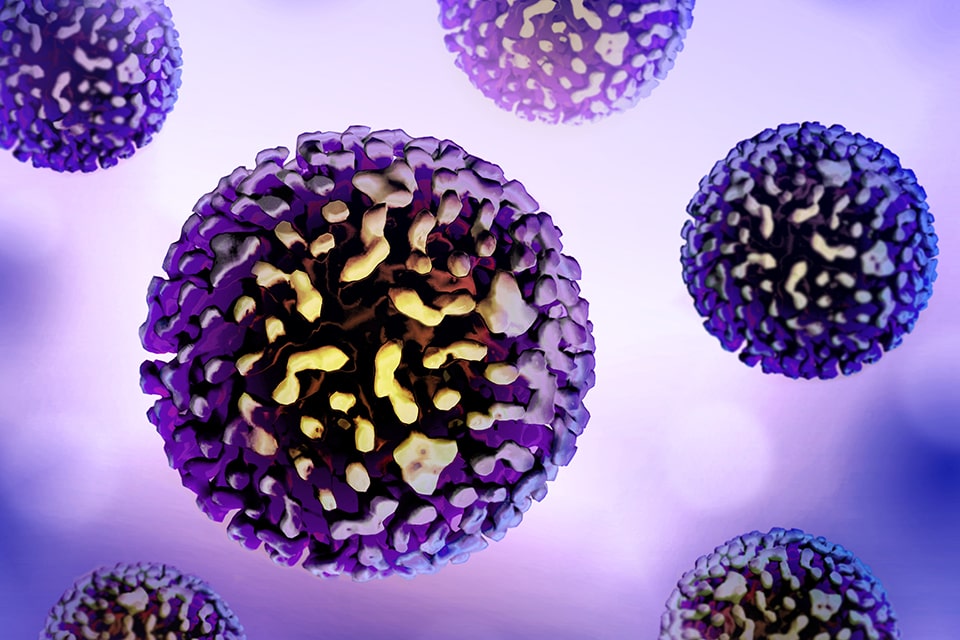
Hepatitis B virus, courtesy of the NIH's National Institute of Allergy and Infectious Diseases (NIAID)
Commissioned by the International Coalition to Eliminate HBV, researchers examine the pros and cons of expanding treatment for the 256 million people chronically infected with the hepatitis B virus (HBV) worldwide. Their conclusion is that hepatitis B drugs are being underused and that expanding the criteria for receiving treatment could save many lives over time.
HBV kills over 3,000 people every day, or over 2 people every minute. Of those who do not clear the infection and go on to develop a chronic HBV infection, between 20 and 40% will die if they do not receive treatment, usually from liver failure or liver cancer, as the disease progresses over decades. HBV is responsible for half of all liver cancer cases.
Researchers note that current drugs are safe, effective and relatively inexpensive, though they don’t cure people. These medications substantially slow down the disease progression and they can reduce transmission of the virus to other people.
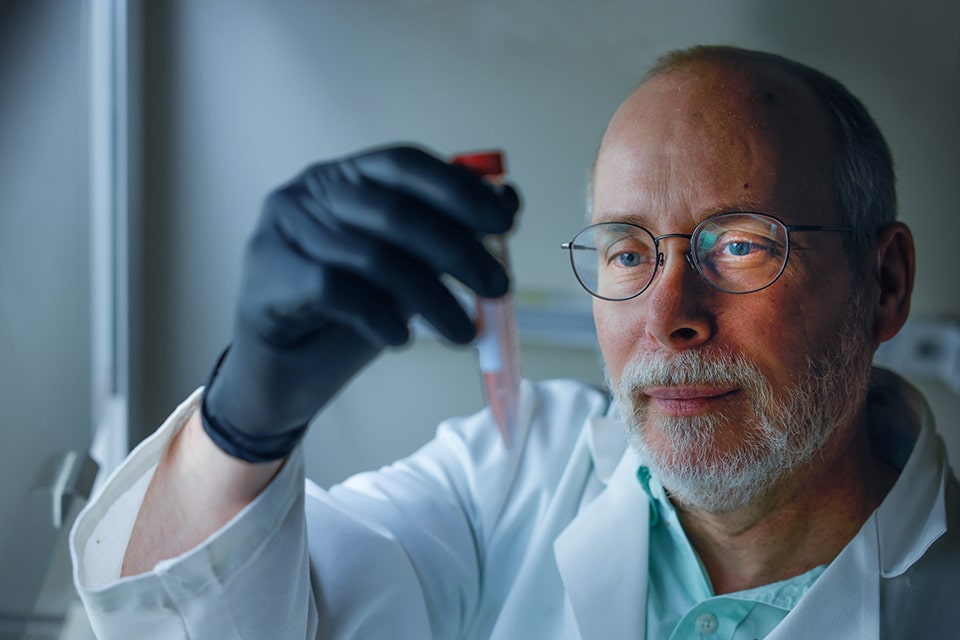
“These medications are good drugs that are being badly underused,” said John Tavis, Ph.D., professor of molecular microbiology and immunology at Saint Louis University School of Medicine and an author on both papers. “Less than 3% of all people infected with HBV are receiving treatment, and the evidence suggests that many more people could benefit from treatment. If we get people on medication earlier, the net disease and death rate is going to be much less.
“In these papers, we go through the scientific and medical evidence,” Tavis said. “We look at how HBV triggers cancers. Treatment significantly slows down the disease progression, and by giving drugs to people earlier, we can limit the cumulative liver damage over the course of a 20 to 30 years long chronic infection that causes liver cancer and liver failure.”
In a second companion article, experts discuss treatment perspectives from a patient and public health perspective.
Researchers note that hepatitis B carries an emotional, mental and social burden that adds to the disease’s impact on quality of life.
“The most common way the infection is passed along is from a mother with HBV to her infant,” Tavis said. “Most mothers don’t know they have the infection. And, the stress of learning that you passed along a deadly illness to your baby is unimaginable.
“In some countries, people with HBV will hide their status because they’ll be fired from their jobs and ostracized by their friends. Despite the fact that the virus does not spread by casual contact, many people suffer in their communities.”
Tavis reflects on the potential benefits of increasing treatment.
“We know these drugs could reduce the incidence of liver cancer by two-thirds, or possibly even three-quarters. That’s a big impact, saving millions of lives over time. Just imagine how many more grandmas will be around to have their grandkids sit on their laps. I’d like to see a lot more of that.”
Bottom line?
“By delaying treatment, you leave people at risk for longer than necessary,” Tavis said. “And, you allow too much damage to the liver before you start treatment. We need to adjust our treatment paradigm for this illness.”
The papers were written on behalf of the International Coalition to Eliminate HBV.
Additional authors on “Scientific and medical evidence informing expansion of hepatitis B treatment guidelines” include Patrick T. Kennedy, M.D., Lena Allweiss, Ph.D., Antonio Bertoletti, M.D., Markus Cornberg, M.D., Adam J. Gehring, Ph.D., Luca G. Guidotti, Ph.D., Hélène A. Kerth, M.D., Maud Lemoine, Ph.D., Massimo Levrero, M.D., Seng Gee Lim, M.D., Barbara Testoni, Ph.D., and Thomas Tu, Ph.D.
Additional authors on “Patient and Public Health Perspectives to Inform Expansion of HBV Treatment Guidelines” include Chari Cohen, DrPH, Thomas Tu, Ph.D. Philippa C. Matthews, M.D., Su Wang, M.D., Jessica Hicks, BCom and Manal El Sayed, MC.
Established in 1836, Saint Louis University School of Medicine has the distinction of awarding the first medical degree west of the Mississippi River. The school educates physicians and biomedical scientists, conducts medical research, and provides health care on a local, national and international level. Research at the school seeks new cures and treatments in five key areas: infectious disease, liver disease, cancer, heart/lung disease, and aging and brain disorders.
As a nationally recognized leader in research and innovation, SLU is an R1 research university, advancing groundbreaking, life-changing discoveries that promote the greater good.
Latest Newslink
- Lentine Receives Award of Merit for Outstanding Contributions to Scientific MedicineKrista Lentine, M.D., Ph.D., professor of medicine at Saint Louis University's School of Medicine, is the 2024 recipient of the St. Louis Metropolitan Medicine Society Award of Merit for Outstanding Contributions to Scientific Medicine.
- Running Interference: Scientists Block Viral RNA, Aim to Cure Hepatitis BIn a recent paper published in Science Translational Medicine, a SLU scientist reports that a class of drugs called RNA interference (RNAi) therapeutics represent a major advancement in the treatment of chronic hepatitis B virus infections.
- Belize2020 Looks Ahead at SLU SummitEarlier this summer, Belize2020 organized a summit at Saint Louis University. Ten years after the coalition was created, with strong support from SLU to support Jesuit ministries in Belize, organizers felt the time was right to meet again.
- William L. Clay Sr., 1931-2025One of SLU's first African-American graduates, former Congressman William L. Clay Sr., died July 17, 2025, at the age of 94. He served in the U.S. House of Representatives for 32 years, becoming a towering figure in the fight for civil rights and social justice in St. Louis and nationally.
- A Camp Friendship that Stirred Up Lifelong BondsIn the summer of 2005, Mary Kate Keenoy (Chaifetz Grad '22) and Genevieve Willman met at SLU's Gardens to Tables culinary camp. What started as a shared interest in cooking grew into a lasting friendship that has endured for two decades.
- Bruce Bacon, M.D.: 1949-2025Bruce Bacon, M.D., professor emeritus of internal medicine, died Sunday, July 6, 2025. He was 75. Bacon was known globally for his expertise in all aspects of clinical hepatology, specifically hemochromatosis, viral hepatitis, chronic liver disease / general hepatology, and liver transplant. Bacon was also a member of the research team that discovered the gene for hemochromatosis, HFE, in 1996.